Comparing Privacy Features: Metal Fencing vs. Traditional Wooden Fencing Jan 18, 2026
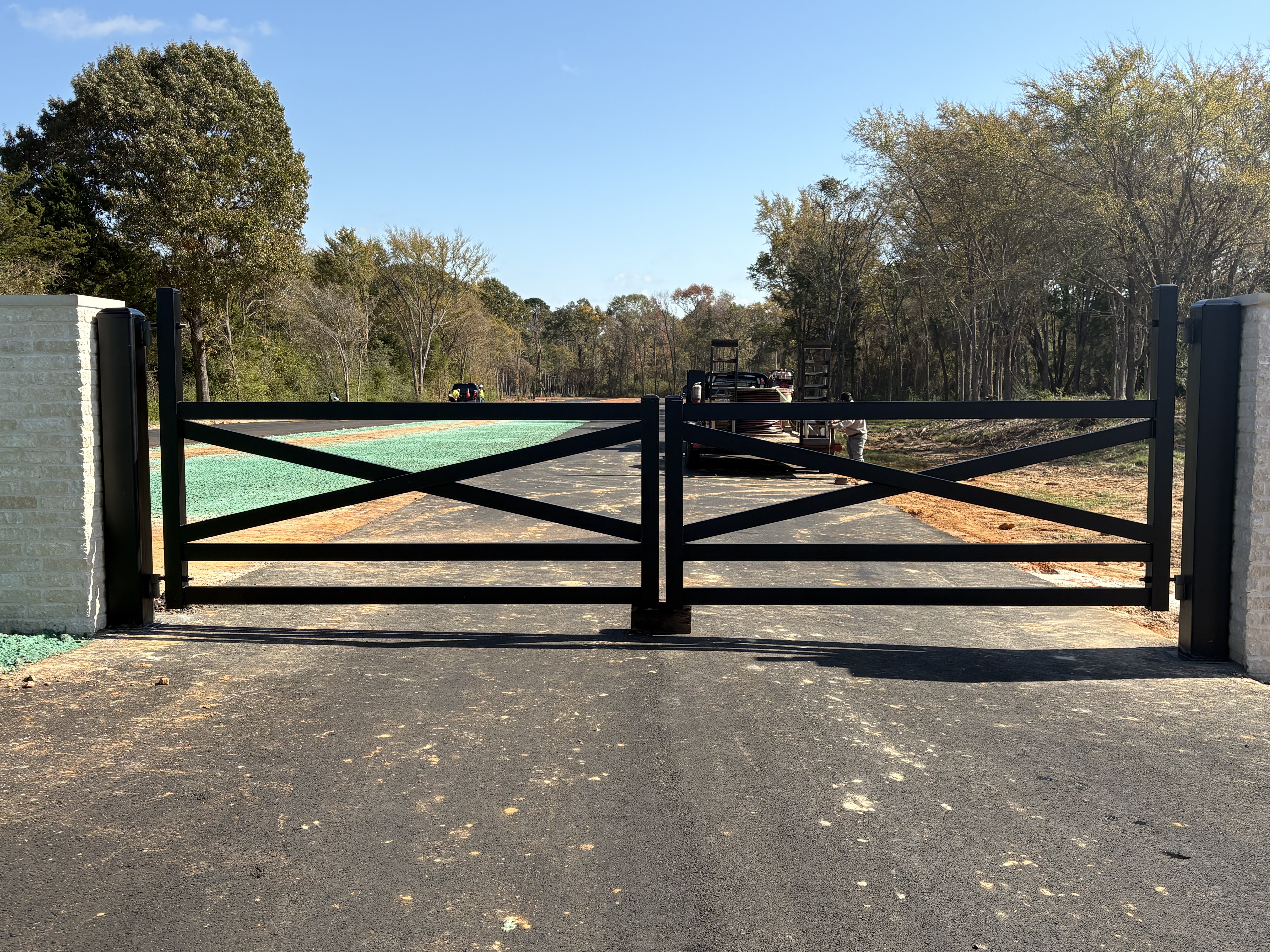
To begin with, metal fencing is renowned for its durability and low maintenance. Unlike wood, metal fencing does not warp, rot, or succumb to pest damage. This makes it an excellent long-term investment for those seeking a sturdy barrier. Metal fences come in various styles, from classic wrought iron designs to more contemporary aluminum options. However, when it comes to privacy, you’ll want to consider the design carefully. Privacy panels or slat inserts can be added to metal fences, offering a solid barrier while maintaining a sleek, modern look.
In contrast, traditional wooden fencing is often favored for its natural appearance and the privacy it inherently provides. Wooden fences, especially those constructed with closely spaced panels, can offer extensive coverage that obstructs the view into your yard. Wood’s substantial and opaque nature creates an effective shield between your property and the outside world, enhancing your sense of seclusion. However, the maintenance required to preserve the privacy features of wooden fencing should not be overlooked. Regular sealing, staining, or painting is necessary to prevent deterioration and maintain its privacy qualities.
Another consideration is the customization available with each material. Metal fencing offers a wide range of design possibilities, from ornate patterns that can complement historical homes to sleek lines suitable for modern properties. This enables customization not only in aesthetic appeal but also in privacy solutions. Conversely, while wooden fencing is also highly customizable, allowing for paint and stain options to match your home’s exterior, its shape and size alterations are more limited compared to metal.
The installation process further differentiates these two types of fencing. Metal fencing installations are generally more complex, requiring professional assistance to ensure structural integrity and proper security integration. Meanwhile, wooden fencing can sometimes be DIY, though professional installation guarantees proper alignment and enhanced durability. It’s vital to consider the installation costs and time involved when making your choice.
From an environmental perspective, wooden fencing stands out as a more eco-friendly option since it is biodegradable and can be sourced sustainably. Metal fencing, while recyclable, has a higher initial production impact. However, its long lifespan and minimal maintenance needs may offset this over time. An eco-conscious homeowner might weigh these factors when deciding which material aligns better with their values.
In conclusion, both metal and wooden fencing have distinct privacy advantages and challenges. Metal fencing shines with its resilience and modern appeal, while wooden fencing appeals with its traditional look and inherent privacy. At R & R Metal Works, our team is ready to assist you in evaluating your specific needs and preferences, ensuring you choose the perfect fencing solution to enhance your property's privacy and appearance.
For those prioritizing longevity and low maintenance, metal fencing with added privacy features might be the best choice. However, if you favor a natural look and the full coverage that wood can offer, traditional wooden fencing could be your answer. Whatever your decision, investing in quality fencing will undoubtedly add value and character to your home, providing the privacy and security you desire.
/filters:no_upscale()/filters:format(webp)/media/f80971c6-3b38-4ebe-8684-c5f10ff1d434.jpeg)