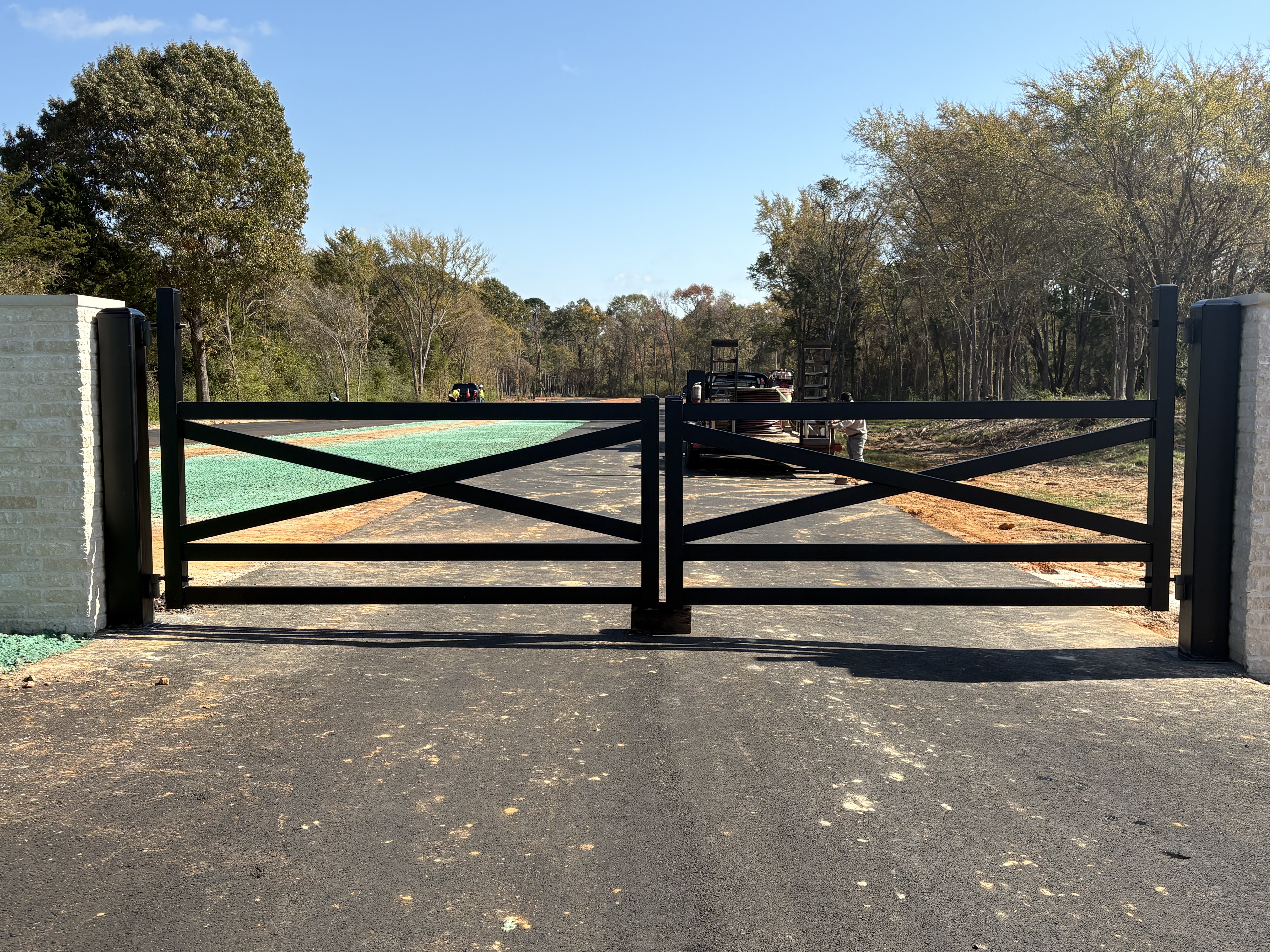
Mastering Metal Fencing Installation: Common Mistakes and How to Avoid Them May 20, 2026
First and foremost, insufficient planning is a prevalent issue. A comprehensive plan is the backbone of any successful installation. This means accurately measuring the area where the fence will be installed, understanding property boundaries, and obtaining any necessary permits. Skipping these steps can lead to costly errors. Before breaking ground, take the time to create a detailed blueprint that includes dimensions, materials needed, and a timeline for completion. Consulting with experts or using professional design services can be incredibly beneficial at this stage.
Selecting the wrong materials is another frequent blunder. While metal fences come in various types such as aluminum, steel, and wrought iron, each has its unique properties and suitability for certain environments. Aluminum, for instance, is ideal for areas prone to moisture due to its resistance to rust. Conversely, wrought iron, while aesthetically pleasing, requires more maintenance to prevent corrosion. Evaluate your specific environment and whether resistance to elements like rain or high winds will be necessary, ensuring the materials you choose are not only aesthetically pleasing but also practical for long-term durability.
Improper installation techniques can undermine even the best-laid plans. Two crucial aspects of proper installation are ensuring posts are sufficiently anchored and maintaining consistent spacing between them. Improperly set posts can lead to a fence that wobbles or leans over time. Using concrete to set the posts and allowing adequate time for it to cure is vital for a stable foundation. Moreover, maintaining uniform spacing is crucial not just for aesthetics, but also for the structural integrity of the fence. Utilize string lines and professional-grade measurement tools to ensure precision throughout the installation process.
One mistake that often goes unnoticed until it's too late is neglecting to plan for future maintenance. Metal fences, while sturdy, are not maintenance-free. Regular inspections for signs of rust or damage, and addressing these issues promptly, will extend the life of your fence. Consider options like galvanization or powder coating to enhance rust resistance, and establish a regular maintenance schedule.
Lastly, overlooking local regulations and homeowner association guidelines can lead to significant setbacks. Before installing a fence, familiarize yourself with local zoning laws and restrictions. Non-compliance can result in fines or even mandates to remove your newly erected fence. It’s advisable to discuss your plans with neighbors and relevant local authorities to ensure a smooth installation process.
In conclusion, mastering the art of metal fencing installation lies in attention to detail and meticulous planning. By avoiding these common mistakes, you can ensure your metal fence serves its function with both grace and resilience. At R & R Metal Works, we pride ourselves on providing expert guidance and superior craftsmanship to bring your fencing project to fruition flawlessly. Whether you’re tackling a DIY project or seeking professional installation services, our expertise is at your disposal to ensure your investment is as strong and stunning as your vision.
/filters:no_upscale()/filters:format(webp)/media/f80971c6-3b38-4ebe-8684-c5f10ff1d434.jpeg)