The Science Behind Metal Fence Durability: Ensuring Longevity in Various Environmental Conditions Apr 17, 2026
To begin, it's essential to recognize the type of metal used in fence construction significantly impacts its longevity. Common materials include steel, aluminum, and wrought iron, each offering distinct advantages. Steel fences are known for their strength and resilience, making them an excellent choice for high-security needs. Galvanized or powder-coated steel enhances resistance to rust and corrosion, crucial for areas with frequent rainfall or humidity. Aluminum, on the other hand, is lightweight and naturally resistant to rust, making it ideal for coastal regions where salt exposure is a concern. Wrought iron exudes timeless elegance and durability but requires regular maintenance to prevent rusting, particularly in damp environments.
Beyond the material chosen, the finishing process plays a pivotal role in metal fence durability. Powder coating, for instance, provides a robust, weather-resistant finish that shields against sun exposure and moisture. This process involves applying a dry powder coat that, when heated, forms a protective layer. On the contrary, a painted finish, while more affordable, may not offer the same degree of protection, leading to more frequent maintenance.
Environmental factors are also significant in determining the lifespan of a metal fence. In dry, arid regions, metal fences face challenges from intense UV radiation, which can lead to fading, whereas in areas prone to heavy rainfall, fences must resist rust and corrosion. Coastal environments require fencing that withstands salt spray, which can accelerate rusting if proper protective measures aren't in place.
Regular maintenance practices are essential to maximize your metal fence’s durability. Periodic inspections to identify and repair damage or rust spots can significantly extend its life. For homeowners in regions with fierce winter conditions, ensuring that snow and ice are promptly removed from the base can prevent water from causing rust at the posts. Cleaning your fence periodically with mild soap and water, followed by thorough drying, helps maintain the coating and metal beneath.
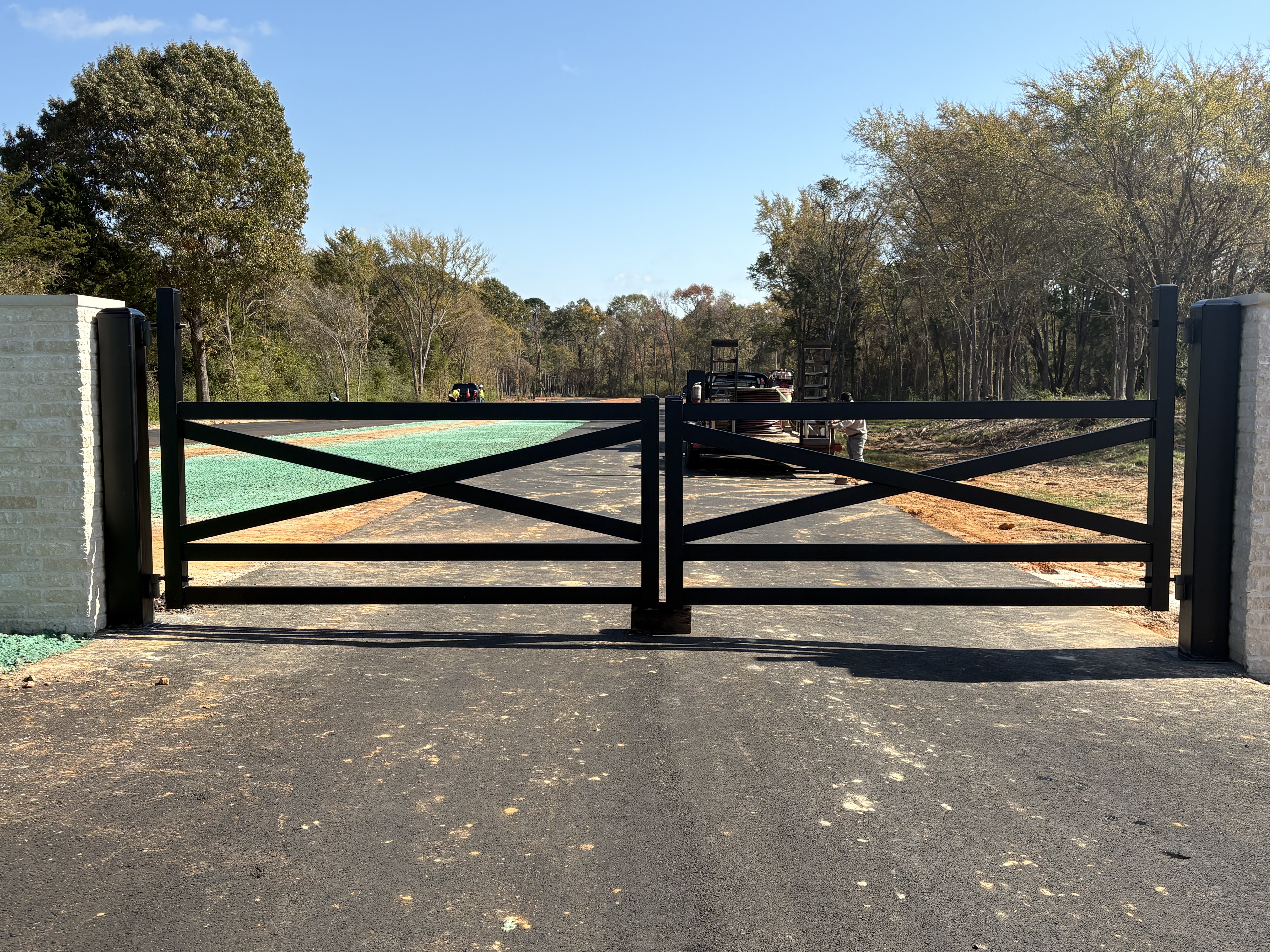
Another aspect to consider is the design of the fence and gate. Designs that allow air to circulate through the fence panels help prevent moisture buildup, which is a common cause of corrosion. Customizing your fence design with this in mind can be a strategic step towards enhancing its longevity.
At R & R Metal Works, we pride ourselves on offering not just superior products but also valuable guidance tailored to your specific environmental conditions and aesthetic preferences. By carefully selecting the right materials, finishes, and maintenance practices, you can protect your investment and enjoy a durable, attractive boundary for years.
In conclusion, the science behind metal fence durability involves a combination of material selection, protective finishes, environmental consideration, and regular maintenance. Our team at R & R Metal Works is dedicated to helping you navigate these choices to ensure your fence not only withstands the elements but also continues to deliver security and beauty over time.
/filters:no_upscale()/filters:format(webp)/media/f80971c6-3b38-4ebe-8684-c5f10ff1d434.jpeg)