Understanding the Cost Factors: Budgeting for Your Metal Fencing Project Feb 19, 2026
The first consideration is the type of metal you choose for your fencing project. The most popular options are wrought iron, aluminum, and steel, each offering distinct benefits and price points. Wrought iron is renowned for its classic, ornate appearance and durability, though it generally costs more due to its specialized production process and maintenance requirements. Aluminum, on the other hand, is lightweight and resistant to corrosion, making it a more budget-friendly option with lower maintenance costs. Steel fencing strikes a balance between strength and affordability, though it may require protective coatings to prevent rusting.
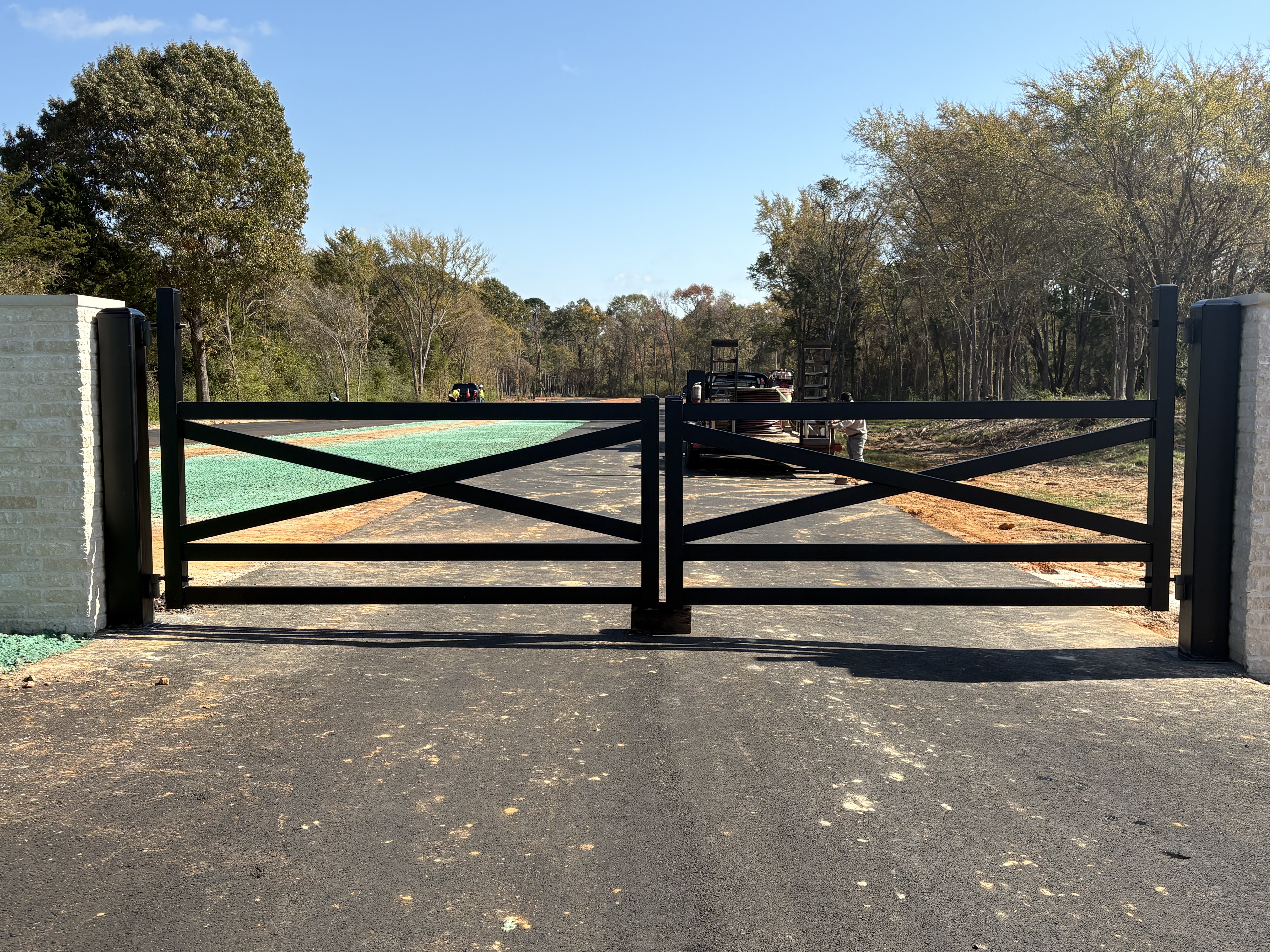
Labor costs are another significant factor in your fencing budget. Installation prices vary based on the complexity of the project and the expertise required. Custom designs, challenging landscapes, or additional features like gates and automation systems can increase labor costs. It's essential to hire experienced professionals who can ensure that the installation is done correctly and efficiently to avoid future headaches and repairs.
The size and height of your fence will inevitably impact the overall cost. Larger perimeter areas require more materials and labor, increasing the total expense. Similarly, higher fences necessitate more material and structural support, which can drive up prices. It's beneficial to accurately measure the area you wish to enclose and consider your specific needs, such as privacy, security, or aesthetic appeal, when determining size and height.
Site preparation is another often-overlooked cost factor. Before installation begins, the site may require clearing, leveling, or addressing obstacles such as tree roots and existing structures. Each of these adds incremental costs to the project. Discuss these aspects with your contractor during the planning phase to include them in your financial estimates.
Additionally, consider the cost of permits and compliance with local zoning laws. Many areas have regulations dictating the height and positioning of fences, and acquiring the necessary permits can involve additional fees. It's crucial to research these requirements ahead of time or consult with a professional who can guide you through the process to avoid legal issues and added costs.
Maintenance and long-term care also play a role in your budget considerations. Metal fences, particularly those made of wrought iron, may require regular maintenance like painting and rust prevention treatments. These ongoing costs should be factored into your overall budget to ensure that your fence remains in top condition for years to come.
In conclusion, budgeting for a metal fencing project involves considering multiple variables, including materials, labor, fence dimensions, site preparation, and maintenance. By understanding these cost factors, you can better plan and avoid unexpected expenses. Consult with professionals like R & R Metal Works, who can provide detailed estimates and personalized advice tailored to your specific needs and budget. Investing time in planning will help ensure that your metal fencing project achieves both practicality and aesthetic value, enhancing your property's appeal and security.
/filters:no_upscale()/filters:format(webp)/media/f80971c6-3b38-4ebe-8684-c5f10ff1d434.jpeg)